

The lights don’t go out so much as they dim, and the whole vibe shifts from party mode to something a bit more reflective. When you’re talking about a casino after hours, you’re really talking about a different beast entirely, one where the noise settles and the regulars get a moment to breathe. It’s that strange in-between time where the pokies stop singing and the tables get wiped down, but the energy doesn’t quite vanish. You get the sense that the place is still alive, just holding its breath before the next rush.
There’s a particular kind of quiet that hangs around the gaming floor once the crowds thin out, and it’s not necessarily a bad thing. Some blokes prefer it this way, when they can actually hear themselves think without a headset on or a cocktail shaker clattering nearby. The whole operation slows down, but the machines keep humming in the background like a low-voltage current. It’s less about the spectacle and more about the rhythm of the place when the suits have gone home.
People often wonder what goes on behind the velvet ropes when the doors are locked for the night, and the truth is a mix of maintenance and mindset. The dealers pack away their chips, the security blokes do their rounds, and the regulars who know the drill slip in for a late session. It’s not exactly a secret society, but there’s a different code of conduct once the clock ticks past midnight. You learn pretty quick that the house doesn’t really close, it just changes gear.
That shift in tempo is what makes the whole scene worth writing about, especially when you’re trying to figure out where the real action sits. A bloke who knows the lay of the land will tell you that the quiet hours reveal more about a venue than the peak rush ever could. You see how the staff move, how the machines behave, and whether the whole setup feels like it’s running on autopilot or someone’s actually steering the ship. It’s a fair judge of character, really.
The Vibe When the Crowds Thin Out
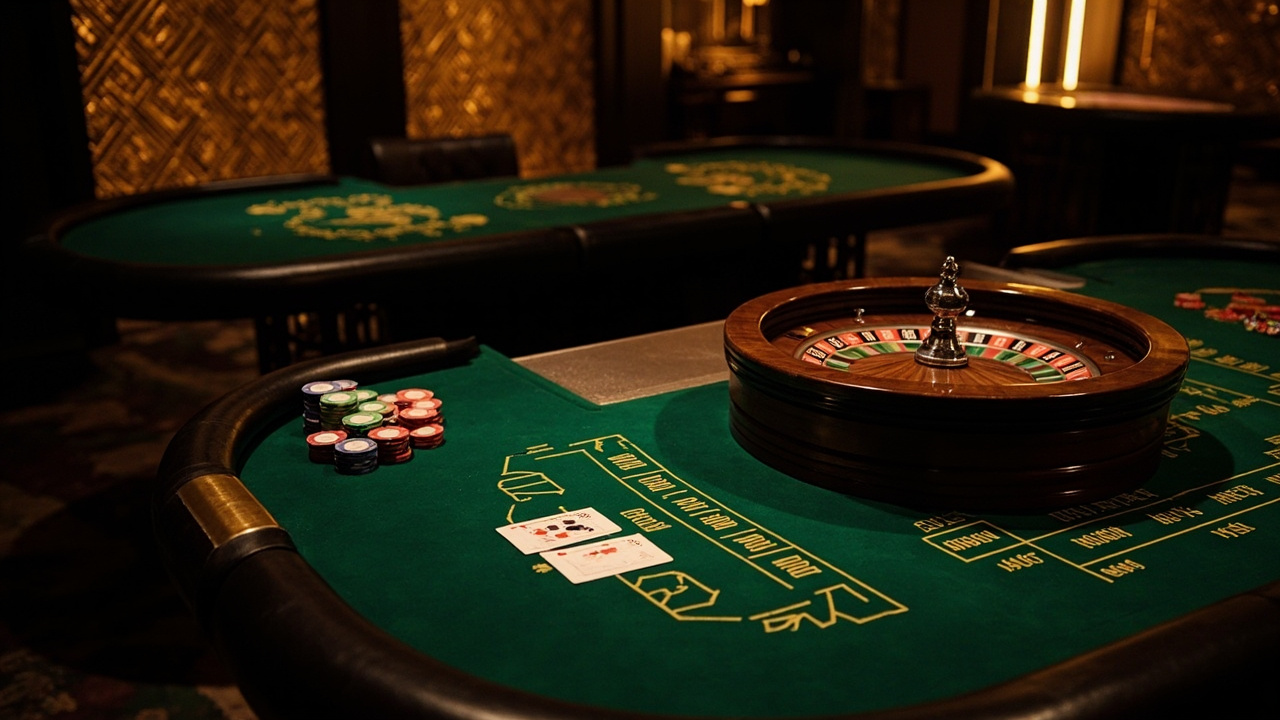
There’s a particular kind of hush that settles over the floor once the day punters head out for a pint or a sleep, and it’s not the kind of silence you’d expect in a library. The pokies keep spinning in the background, but the chatter drops to a murmur and the dealers start stacking their chips with a slower, more deliberate hand. You get the sense that the place is still running, just without the frantic energy of a Saturday night blowout. It’s a bit like a pub after the footy final, when the crowd’s gone but the bar staff are still wiping down the counters and the regulars linger over a final round.
Some players actually prefer this time because they can focus without a headset on or a cocktail shaker clattering three tables over. The noise floor drops enough that you can hear the cards hitting felt, and the whole operation feels less like a spectacle and more like a proper session. It’s not that the venue shuts down, it’s just that the tempo changes and the blokes who know what they’re doing take advantage of the breathing room. You’ll see a few regulars sliding into their usual spots, knowing the staff by name and getting a nod instead of a scripted greeting.
The security blokes do their rounds a bit differently too, less about crowd control and more about keeping the place tight when the eyes are fewer. You notice the cameras tracking the same spots, the doors locked down, and the whole layout feeling a touch more intimate. It’s not a secret society, but there’s a different code of conduct once the clock ticks past midnight and the suits have gone home. The regulars who stick around know the drill, and they don’t need a handbook to tell them how to move through the space.
That shift in tempo is what makes the whole scene worth paying attention to, especially when you’re trying to figure out where the real character of a venue sits. A bloke who knows the lay of the land will tell you that the quiet hours reveal more about a place than the peak rush ever could. You see how the staff move, how the machines behave, and whether the whole setup feels like it’s running on autopilot or someone’s actually steering the ship. It’s a fair judge of character, really, and it separates the venues that just put on a show from the ones that actually hold together when the lights dim.
How the Late Session Actually Plays Out
When the clock rolls past the usual rush, the floor doesn’t go dead, it just settles into a different rhythm that rewards patience over hype. The pokies keep humming, the tables stay open, and the blokes who know the drill slide into their spots without fuss. It’s less about the spectacle and more about the steady hand, the kind of session where you’re not chasing a crowd but working a line you’ve already mapped out. You get the sense that the place is still alive, just holding its breath before the next wave rolls in.

The dealers pack away their chips with a slower cadence, the cocktail stations get wiped down, and the whole operation starts running on a leaner set of moving parts. You notice the staff talking in lower voices, the security doing their rounds with a different focus, and the regulars who stick around treating the late hours like a proper session rather than a bit of a lark. It’s not that the venue shuts up shop, it’s just that the tempo changes and the people who know what they’re doing take advantage of the breathing room.
A wild card in this setting isn’t just a playing card, it’s the unpredictable factor that can turn a quiet night into something worth remembering. Maybe it’s a late arrival with a solid bankroll and a calm head, maybe it’s a machine that’s been quiet all evening and suddenly starts paying out, or maybe it’s just the way the room shifts when the crowd thins and the regulars start settling in. You can’t plan for it, but you can spot it when it happens, and that’s the sort of thing that keeps the late session interesting without turning it into a circus.
The smart money knows that the house edge is, in a sense, applied probability theory turned into a business model, and that doesn’t change just because the room gets quieter. What does change is the noise around it, the distractions, and the way a bloke can actually think through his session without a headset on or a cocktail shaker clattering nearby. You see the maths doing its work in the background, the same as always, but now you’ve got a bit more space to notice it. That’s the real value of the late hours, not some magical shift in the odds, just a clearer view of the game as it’s actually being played.
The Operators Running the Night Shift
The venues that handle the late session properly don’t just leave the lights on and hope for the best, they actually run a tighter ship when the crowds thin out. You’ll see the floor managers doing their checks, the tech blokes keeping an eye on the machines, and the security staff moving with a different focus now that crowd control isn’t the main game. It’s a leaner operation, but it’s not a lazy one, and the places that get it right know how to keep the rhythm steady without overdoing it.
Some operators have built their reputation on exactly this kind of steady hand, and Joe Fortune sits up there with the leaders of the Australian market when you’re comparing who actually knows how to run a session that goes past the usual rush. You look at the way the floor is managed, the way the staff move, and the way the whole setup holds together when the noise drops, and you start to see why certain names keep coming up in the conversation. It’s not about flashy promises, it’s about whether the place still feels like it’s being run by people who know what they’re doing when the clock ticks past midnight.
| Operator | Market Position | Late Session Management |
|---|---|---|
| Joe Fortune | Leader in the Australian market | Steady floor control, consistent staff rotation, clear late-hour protocols |
| Mid-tier regional venues | Local draw, mixed reviews | Variable late-hour staffing, depends on the night and the crowd |
| Large metro complexes | High volume, broad offerings | Strong security and maintenance, but the floor can feel more automated late at night |
The table above is just a rough sketch of how the landscape sits when you’re comparing who handles the quiet hours with a bit of class and who just leaves the machines running and hopes for the best. You don’t need a spreadsheet to tell you which venues feel alive after the rush, but it helps to have a reference point when you’re sorting the operators that actually run a proper night shift from the ones that just keep the doors open. The leaders in the market tend to have the staff, the systems, and the mindset to keep things steady, and that’s what separates a venue that holds its shape from one that just gets quiet.
The Regulars Who Stick Around
The blokes who come back for the late session aren’t usually there for the spectacle, they’re there because they’ve worked out that the quieter hours suit their style a bit better. You get the steady punters who know the floor, the ones who’ve got a routine and don’t need a big crowd to feel comfortable. They slide into their usual spots, nod at the staff, and settle in without making a fuss, which is exactly how a proper session should start. It’s less about proving anything and more about getting into a rhythm that actually works for them.
There’s a bit of a code among the regulars, nothing formal, just a shared understanding that the late hours are for focus, not for show. You won’t see too many blokes shouting over the noise or trying to turn the floor into a stage, because the whole point is that the room has settled and the people who stay are there to play their game. It’s a different headspace, and the regulars know it, which is why they keep coming back when the crowds thin out and the place feels a bit more like a working session than a night out.Smartcompany
Some of the sharpest players in the room have cut their teeth on the international stage, and Australian poker pros have made deep runs and final tables at the WSOP, which tells you something about the calibre of blokes who understand how to sit in a game and read it properly. That kind of discipline translates pretty well to the late session, where patience and focus matter more than hype. You don’t need to be a world-class grinder to appreciate the quieter hours, but it helps to know that the people who stick around often bring a bit of that same steady approach to the floor.3 hot chillies
The regulars also know that the venue doesn’t owe them a performance just because they’ve stuck it out past the rush, and that’s a healthy way to look at it. You’re there to play your session, read the room, and make your own calls, not to expect the place to entertain you just because the lights are still on. It’s a fair arrangement, and the blokes who get it tend to have a better time because they’re not waiting for the room to do the work for them.
What Changes When the Clock Rolls Past Midnight
The biggest shift is the noise floor, plain and simple, because once the chatter drops and the crowd thins, you can actually hear the game as it’s being played. The cards hit the felt a bit cleaner, the pokies hum instead of roar, and the whole floor feels like it’s running on a different frequency. It’s not magic, it’s just that the distractions have eased off and the people who stay are there for the session, not the spectacle. You notice the little things more, which is exactly why the late hours can feel like a clearer read on the place.
The staff move differently too, less rushed and more deliberate, which is a fair sign that the venue is being run properly rather than just kept open out of habit. You’ll see the dealers stacking chips with a steadier hand, the floor managers doing their checks without the frantic energy of a peak night, and the security blokes doing their rounds with a different focus now that crowd control isn’t the main game. It’s a leaner operation, but it’s not a lazy one, and the places that get it right know how to keep the rhythm steady without overdoing it.
A bloke who’s spent enough time on the floor will tell you that the late session rewards patience more than hype, because the room isn’t trying to impress anyone and the game is just doing what melonaves.adv.br it does. You’ve got a bit more space to think, a bit less noise to cut through, and a better chance to read the rhythm of the place without a headset on or a cocktail shaker clattering three tables over. That’s the real value of the quiet hours, not some magical shift in the odds, just a clearer view of the game as it’s actually being played.
The venues that handle this well don’t need to shout about it, because the regulars notice the difference and keep coming back for the steady hand. You can feel it in the way the floor is managed, in the way the staff move, and in the way the whole setup holds together when the noise drops. It’s a fair test of a venue, really, because the quiet hours reveal more about the place than the peak rush ever could, and the blokes who know what they’re looking for will tell you exactly which venues pass the test.
If you’re keen to see how a late session can feel on a proper floor, you might have a look at what’s running on the machines when the room settles, because the right setup makes all the difference when the noise drops and the regulars start finding their rhythm. A spin on 3 hot chillies can be a fair way to test the vibe without needing a big crowd around you, and it’s the sort of thing that fits the quieter hours when you’re after a session that actually feels like your own.
For anyone keen to dive deeper, the local scene offers plenty of stories worth reading about, and you can find more at local music insights. It helps to know what others are saying about the shift in atmosphere, especially when the night feels like it belongs to you.
The local scene has its own flavour when the clock rolls past midnight, and you can get a decent sense of how the region handles the late hours by checking in with the neighbourhood coverage that keeps an eye on the ground. A read over at the Geelong Advertiser gives you a bit of a window into how the local market moves, which is handy when you’re trying to figure out whether a venue is just keeping the lights on or actually running a proper night shift.
For a broader take on how the operators are shaping up across the market, it’s worth having a look at the business coverage that tracks the bigger moves, because the way a venue runs its late session often says a lot about the mindset behind the operation. A scan through SmartCompany can give you a clearer picture of who’s actually steering the ship and who’s just along for the ride, which is the sort of context that helps when you’re sorting the venues that hold their shape from the ones that just get quiet.